What the Law Says
All information obtained from ACLU’s section, Know Your Rights. For more detailed information, visit:
https://www.aclu.org/know-your-rights/protesters-rights or https://www.nlg.org/massdefenseprogram/
Where to protest?
Most protesting rights are granted within public spaces. Private property owners can set rules for speech on their property, but if the speech is within the property owner’s consent, it cannot be restricted.When you are lawfully present in any public space, you have the right to photograph anything in plain view, including federal buildings and the police. On private property, the owner may set rules related to photography or video.
You don’t need a permit to march in the streets or on sidewalks, as long as marchers don’t obstruct car or pedestrian traffic. If you don't have a permit, police officers can ask you to move to the side of a street or sidewalk to let others pass or for safety reasons.

What to do if you believe your rights have been violated?
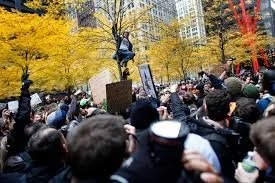
When you can, write down everything you remember, including the officers' badge and patrol car numbers and the agency they work for.
Get contact information for witnesses.
Take photographs of any injuries.
Once you have all of this information, you can file a written complaint with the agency's internal affairs division or civilian complaint board.
What happens if the police issues an order to disperse the protest?
Police may not break up a gathering unless there is a clear and present danger of riot, disorder, interference with traffic, or other immediate threat to public safety.
If officers issue a dispersal order, they must provide a reasonable opportunity to comply, including sufficient time and a clear, unobstructed exit path.
Individuals must receive clear and detailed notice of a dispersal order, including how much time they have to disperse, the consequences of failing to disperse, and what clear exit route they can follow, before they may be arrested or charged with any crime.
What should I do if stopped by police?
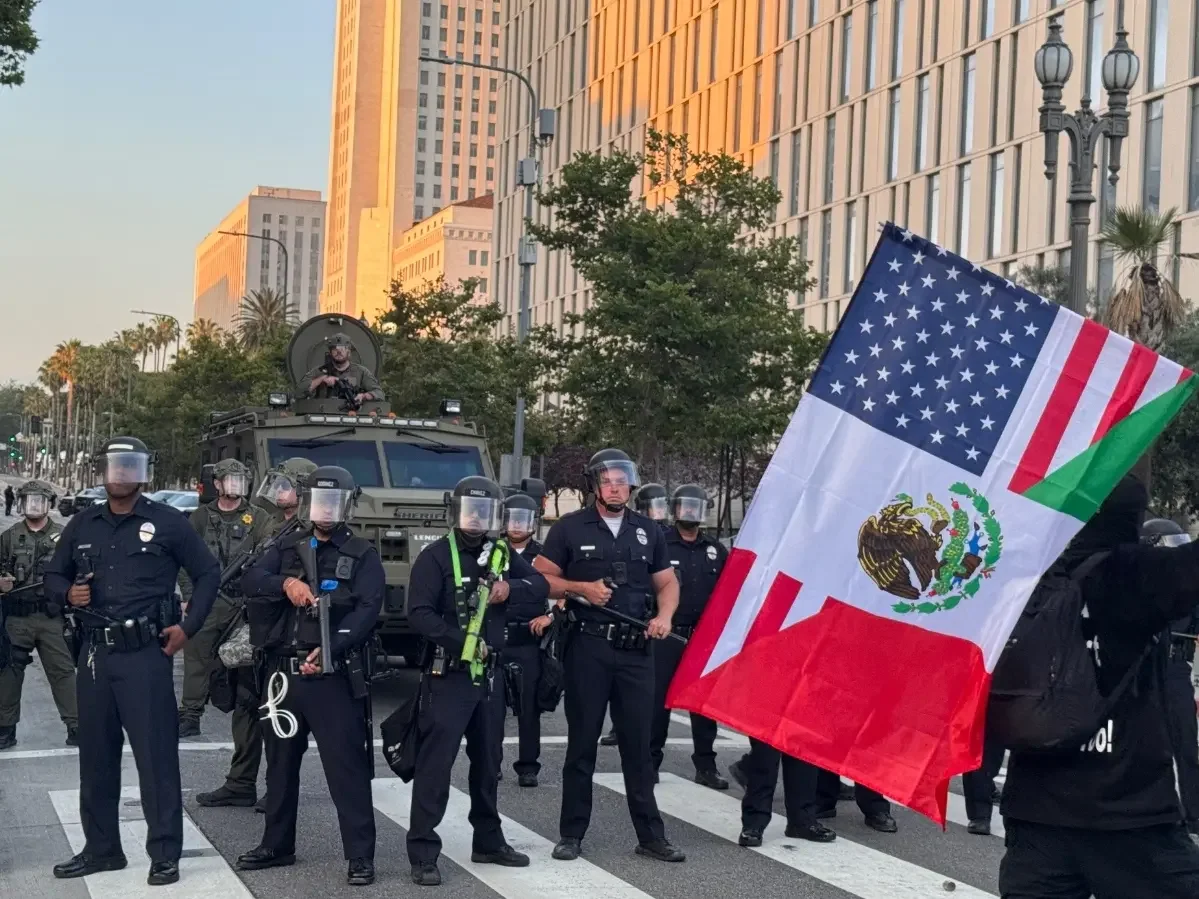
Stay calm. Make sure to keep your hands visible. Don't argue, resist, or obstruct the police, even if you believe they are violating your rights. Point out that you are not disrupting anyone else's activity and that the First Amendment protects your actions.
Ask if you are free to leave. If the officer says yes, calmly walk away.
If you are under arrest, you have a right to ask why. Otherwise, say you wish to remain silent and ask for a lawyer immediately. Don't say anything or sign anything without a lawyer.
You have the right to make a local phone call, and if you're calling your lawyer, police are not allowed to listen.
You never have to consent to a search of yourself or your belongings. If you do explicitly consent, it can affect you later in court.
Police may "pat down" your clothing if they suspect you have a weapon and may search you after an arrest.
Police officers may not confiscate or demand to view your photographs or video without a warrant, nor may they delete data under any circumstances. However, they may order citizens to cease activities that are truly interfering with legitimate law enforcement operations.